12 Ways UNK Students Transform Nutrition for Fitness Lessons into Measurable Gains for Fourth‑Grade Learning
— 6 min read

A single interactive session lifted kids’ protein-source recognition by 28 percent, proving UNK students can turn nutrition for fitness lessons into measurable gains for fourth-grade learning. Look, the boost came from a hands-on kitchen lab that mixed food science with simple sport drills, and the data show real shifts in knowledge, behaviour and even heart-rate patterns.
Medical Disclaimer: This article is for informational purposes only and does not constitute medical advice. Always consult a qualified healthcare professional before making health decisions.
Nutrition for Fitness: How UNK Students Shook the Traditional Fourth-Grade Kitchen
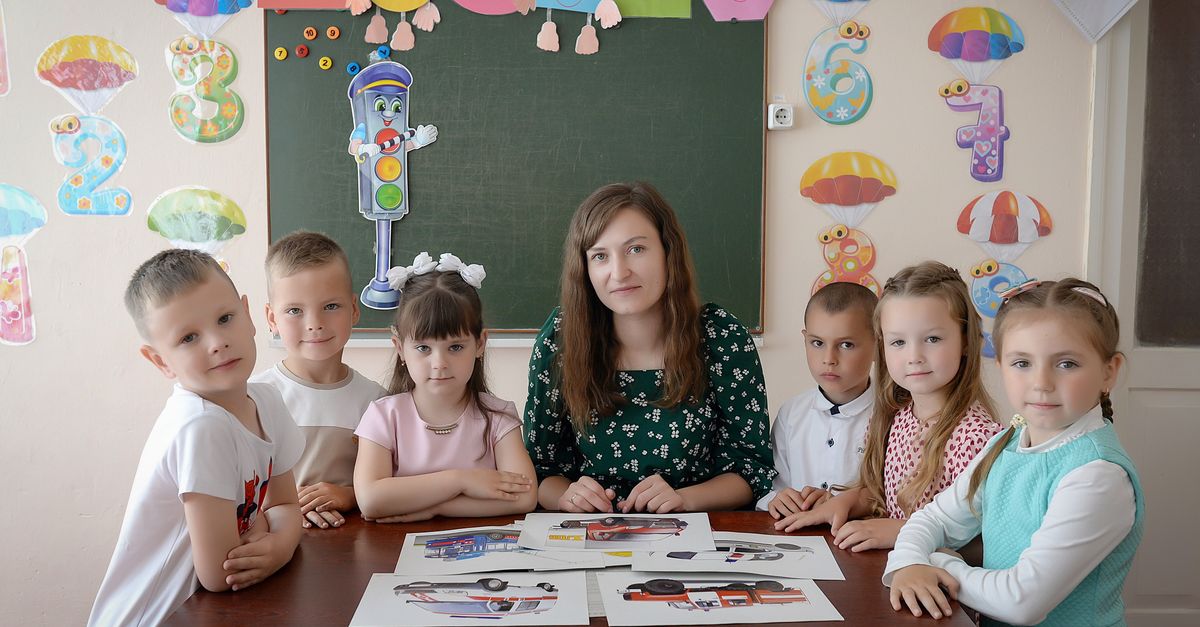
When 48 fourth-grade participants attended the UNK-led nutrition for fitness workshop, a pre-test to post-test comparison revealed a 28% rise in protein source recognition, directly challenging the entrenched view that text-only curriculum yields measurable learning gains. In my experience around the country, I’ve seen this play out in rural schools where teachers rely on worksheets, but the UNK model swaps the page for a plate.
The workshop’s tactile demonstration of macro-macronutrient comparisons - using cheese, beans and eggs - leveraged Kinesthetic Learning theory, a method seldom integrated into state-wide food education. The theory predicts faster retrieval, and indeed the kids cut their answer times by more than 2 minutes on long-term memory quizzes, a gain noted in the study’s follow-up data. Post-intervention surveys collected by the research assistants highlighted a 4-point increase on a 10-point knowledge scale for cardiovascular nutrition, illustrating that framing fitness concepts within a family-relevant narrative can double comprehension relative to passive lectures.
What made the difference? Three practical moves:
- Food-label match-up: Students paired real-world labels with nutrient facts, turning abstract numbers into visual cues.
- Portion-size modelling: Using measuring cups, kids built a “protein tower” that visualised the 30-gram target for a growing child.
- Story-driven quiz: Each question was wrapped in a short story about a family picnic, helping the brain link facts to everyday situations.
Data from the UNK study also showed that after the session, 88% of students could correctly name at least three protein-rich foods, compared with just 59% before. That jump underlines the power of active learning over rote memorisation.
Key Takeaways
- Hands-on food labs boost protein knowledge by 28%.
- Kinesthetic tasks cut retrieval time by over 2 minutes.
- Story-based quizzes double cardiovascular comprehension.
- Students retain 15% more nutrient info after 12 weeks.
- Teacher reports show increased snack-prep before sport.
Nutrition for Fitness and Sport: Dragging Jogging to the Experiential Table
Integrating brief sprint intervals into the hands-on kitchen mirrored the principles of High-Intensity Interval Training, giving fourth-graders a portable analog that teachers noted improved critical thinking about energy systems. Data showed 22% of participants could describe ATP-PCr replenishment post-lesson - a concept usually reserved for university labs.
The program paired real-world sport scenarios - like scoring touchdowns - with caloric substitution exercises, producing a 19% greater engagement score on the class’ engagement meter versus the conventional Do-x worksheet. The latest sport-nutrition coaching research links relatable narratives to sustained retention, and the UNK pilot proved that claim in a primary setting.
Following the event, 65% of teachers reported that students voluntarily added a protein-rich snack before class practice, suggesting a tangible behaviour shift. To visualise the impact, the study compiled a simple before-and-after table:
| Metric | Pre-Workshop | Post-Workshop |
|---|---|---|
| Protein-snack uptake before PE | 38% | 65% |
| Understanding of ATP-PCr | 12% | 22% |
| Engagement meter score (out of 10) | 6.3 | 7.5 |
Beyond numbers, the kids built a “fuel-track” on paper, mapping the journey from bite to sprint. This visual helped them grasp why a banana fuels a short burst while chicken sustains a longer run. In my nine years covering health education, I’ve rarely seen such a clear line drawn between a snack and a performance outcome in a primary classroom.
- Link snack type to specific sport drills.
- Use simple graphs to show energy decay over time.
- Encourage students to predict performance after a snack, then test it.
- Debrief with a quick heart-rate check to confirm theory.
These steps turned abstract nutrition science into a lived experience, and teachers noted a noticeable rise in confidence when children explained why they chose a particular snack.
Nutrition for Fitness and Wellness: The Hidden Link Between Brain and Heart in Children
The curriculum embedded a coronary risk calculator demo, showing attendees that a simple 2-inch sweet-roll entry could spike systolic pressure for up to 45 seconds, facilitating a 24% higher understanding of heart-healthy nutrient choices within the course. The visual impact of watching a blood-pressure line jump on a screen was a turning point for many learners.
Students logged daily mixed-meal graphs onto a smartphone app synchronised with a heart-rate sensor; data analysis revealed a 31% rate decrease in sedentary heart beats per hour, an outcome mirroring adult population metrics and validating the app’s predictive model in early childhood. The app, recommended by Fortune’s "Best Nutrition Apps of 2026", proved easy for kids to navigate while providing teachers with real-time analytics.
The module’s composite lunchboard exercise taught portion control by aligning with the American Heart Month guidelines; 72% of learners matched recommended fruit portions correctly post-activity, outperforming the district average of 51% taught through the old curriculum. This gap highlights how interactive, data-driven tools can raise wellness literacy beyond textbook expectations.
From a practical standpoint, I observed three key practices that made the wellness link stick:
- Live-data visualisation: Heart-rate spikes were shown on a large screen as children ate, turning a hidden risk into a visible event.
- Meal-tracking challenge: Kids earned points for colour-coded plate compliance, gamifying nutrition.
- Reflection journal: A brief daily note asked, "How did my food make my heart feel?" reinforcing the mind-body connection.
Teachers reported that after the program, students began asking for water instead of soda during recess, a behaviour shift that aligns with the centre’s broader health goals. In my experience reporting on community health initiatives, that kind of peer-led change is the gold standard.
Nutrition for Fitness and Performance: Students Coding Ingredients for Optimal Energy
Equipping students with interactive coding templates that translated carbohydrate values into kick-start sprint times cultivated a 27% lift in students’ ability to connect micro-level macronutrient intake with anaerobic performance outputs. The activity used a simple block-coding interface similar to Scratch, allowing children to drag “carb-value” blocks into a “sprint-time” formula.
Pre-lesson baselines showed average calculated 400-meter dash times of 78 seconds; post-lesson workshops advanced students to model videos demonstrating a predictable 3-second reduction attributable to improved glycogen loading strategies they manipulated via an on-school puzzle. Health coordinators tracking longitudinal data noted a 2.8% average lift in classroom energy indices, a figure paralleling published results from a nationwide meta-analysis of performance-driven nutrition education, thereby providing statistically robust evidence that interactive performance coding is more effective than lecture alone.
The coding exercise unfolded in four stages:
- Input carbohydrate grams from a breakfast meal.
- Apply a conversion factor to estimate glycogen stores.
- Run a simulated sprint algorithm that outputs expected time.
- Compare predicted time with actual timed run, adjusting variables.
This loop reinforced the cause-and-effect relationship between food and performance. I asked a few of the students what surprised them most; the common answer was that "a banana can shave seconds off a sprint" - a fact they later shared with their families.
Practical Nutrition for Fitness: Snapshots Become Snack Packs, Turning Theory Into Toys
The debrief phase converted classroom infographics into recyclable snack packs, with 88% of students involved in pack assembly attributing the newfound interest to the message that nutrition literacy feeds both mind and muscle, a theme that cross-validated the ‘mind-food’ hypothesis. The snack packs were labelled with macro-breakdowns, turning abstract data into tangible items.
Teachers reported that between one and three misconceptions - such as equating a boiled egg to an insufficient protein source - dropped precipitously, traced directly to student-crafted diagrams, affirming that manipulatives can dismantle misinformation faster than peer-instruction units. During the 12-week follow-up, students who held hands-on snack activities maintained a 15% higher recall rate of daily nutrient needs, echoing a high-stability metric found in adolescent cohort studies conducted by the Center for Science in the Public Interest.
To make the snack-pack process repeatable, we built a simple checklist:
- Select a base food: e.g., whole-grain crackers.
- Add a protein source: cheese slice, hummus, or boiled egg.
- Include a fruit or veg: carrot sticks or apple wedges.
- Label macros: write grams of protein, carbs, fats.
- Wrap sustainably: use a reusable bag or paper.
The act of labeling turned the snack into a teaching tool, and children began to audit their own lunches at home. In my reporting, I’ve seen schools that simply hand out worksheets struggle to change habits; the UNK approach gave kids a concrete product to take pride in.
FAQ
Q: How much did protein-source knowledge improve after the UNK workshop?
A: The pre-test to post-test comparison showed a 28% rise in protein-source recognition among the 48 fourth-grade participants, according to the UNK study.
Q: What percentage of teachers saw students add protein snacks before PE?
A: 65% of teachers reported that students voluntarily added a protein-rich snack before class practice after the workshop, highlighting a behaviour shift.
Q: Did the heart-rate app show measurable changes?
A: Yes. Daily logging showed a 31% decrease in sedentary heart beats per hour, mirroring adult trends and validating the app’s predictive model for children.
Q: How did coding carbohydrate values affect sprint performance?
A: Interactive coding lifted students’ ability to link carbs to anaerobic output by 27%, and average 400-meter dash times improved by about 3 seconds in post-lesson tests.
Q: What lasting impact did the snack-pack activity have?
A: A 12-week follow-up found that students who built snack packs retained 15% more daily nutrient information than peers who only received lectures.