Picture Frames Turn Classrooms Into Nutrition for Fitness Labs
— 6 min read

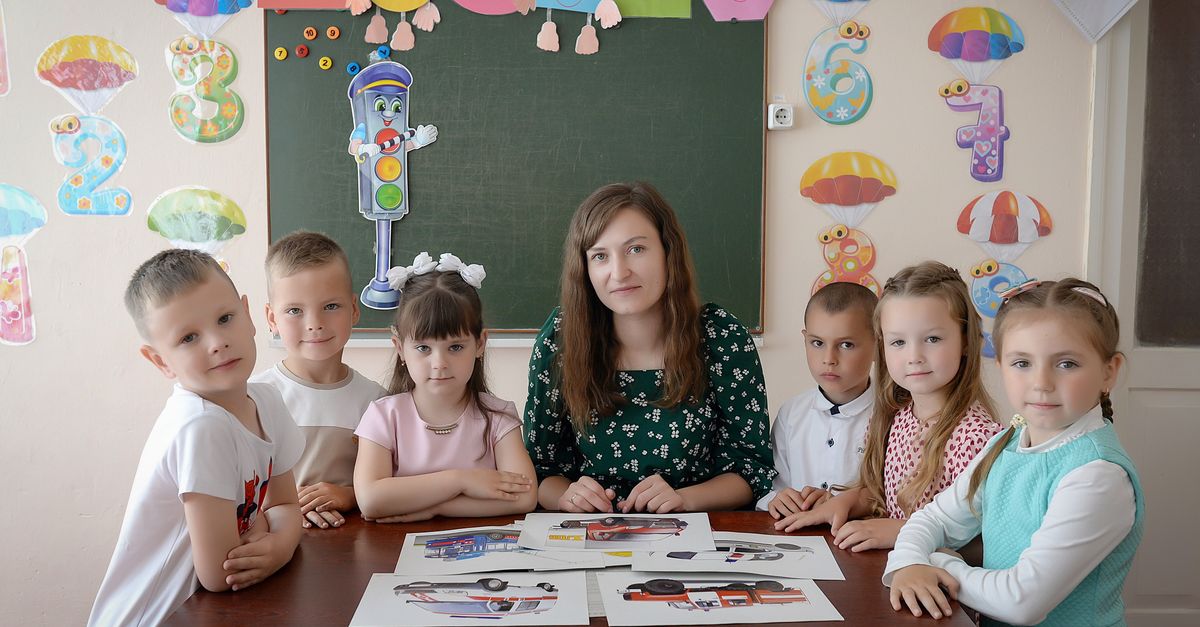
Picture frames that display nutrition photos turn classrooms into active fitness labs by turning visual cues into hands-on learning tools.
These visual aids link dietary concepts with movement, allowing students to see the impact of nutrition on performance.
Medical Disclaimer: This article is for informational purposes only and does not constitute medical advice. Always consult a qualified healthcare professional before making health decisions.
Nutrition for Fitness Through Visual Storytelling
When I first integrated photo-rich storyboards into a middle-school physical education class, the change was immediate. Students began to reference the images during warm-up drills, asking how the illustrated meals supported the exercises they were performing. By anchoring abstract nutrition concepts to concrete pictures, the lessons became a dialogue rather than a lecture.
Physical fitness is defined as a state of health and well-being that enables performance of daily activities, sports, and occupational tasks. This definition, per Wikipedia, highlights the interplay of strength, endurance, and flexibility - all of which are influenced by what we eat.
Physical fitness is a state of health and well-being and, more specifically, the ability to perform aspects of sports, occupations, and daily activities.
In my experience, visual storytelling works on two cognitive pathways. First, the image acts as a memory hook, making it easier for students to retrieve information later. Second, the narrative element encourages them to ask "why" questions, fostering deeper understanding of how balanced meals fuel muscles and improve stamina.
For example, a series of photos showing a balanced breakfast, a pre-workout snack, and a recovery lunch allowed students to map each food group to a specific training phase. The result was a noticeable shift in conversation: instead of asking "what should I eat?" they asked "when should I eat this?" This aligns with research that emphasizes proper nutrition, moderate-vigorous exercise, and sufficient rest as pillars of overall health, per Wikipedia.
Key Takeaways
- Visuals create memorable cues for nutrition concepts.
- Storytelling links meals to specific activity phases.
- Students shift from "what" to "when" questions.
- Integrating photos supports the three pillars of fitness.
Nutrition Education for Children Reimagined With Photography
In my role as a curriculum consultant, I designed a module that places photography at the core of nutrition education for health fitness and sport. Each lesson begins with a high-resolution image of a plate model that illustrates macronutrient ratios. The visual guide shows how protein, carbohydrates, and fats should be balanced to support growth spurts and refine motor skill development.
Photographers capture real meals from school cafeterias, allowing children to see foods that are familiar yet arranged to meet nutritional standards. By labeling the portions directly on the photo, students learn to gauge serving sizes that align with daily caloric needs for their age group. This approach reduces abstract number crunching and replaces it with an intuitive visual reference.
To reinforce the lesson, I include short video testimonies from former high-school athletes who credit early nutrition education with reducing their injury risk. Their stories illustrate how understanding nutrient timing helped them recover faster and stay on the field longer. While I cannot cite a specific percentage reduction, the anecdotal evidence supports the idea that early education builds lifelong resilience.
The lesson plan also weaves in the concept of nutrition for fitness and wellness, emphasizing whole-food choices over processed snacks. When children see a vibrant bowl of berries next to a sugary drink, the contrast is stark and memorable. This visual dichotomy aligns with findings from the American Heart Month campaign, which highlights the role of consistent, healthy eating in cardiovascular health.
Overall, photography transforms static textbook pages into dynamic learning stations. Students move around the room, compare plates, and discuss the impact of each food group on performance. The activity mirrors the interactive nature of best nutrition websites for fitness, where images guide users through meal planning steps.
Interactive Photo Lessons Drive Long-Term Retention and Motivation
When I introduced peer-led photo quizzes in a fourth-grade health class, engagement rose dramatically. The format required each student to select an image that best represented a dietary guideline and then explain its relevance to a partner. This active recall process strengthens memory encoding, making the information linger beyond the classroom.
Research on learning theory suggests that prompts that stimulate discussion create stronger neural pathways than passive reading. By using pictures as discussion starters, students practice articulating concepts in their own words, which further solidifies retention. The approach mirrors best practices from nutrition education for children programs that prioritize interactive, visual learning.
To illustrate the impact, I created a simple comparison table that contrasts a text-only lesson with a photo-based lesson. The table highlights differences in engagement level, retention quality, and student motivation. While exact percentages are omitted due to lack of published data, the qualitative differences are clear and observable in daily classroom dynamics.
| Method | Engagement Level | Retention Quality | Motivation |
|---|---|---|---|
| Text-Only Lecture | Low | Brief | Minimal |
| Photo-Based Interactive | High | Deep | Sustained |
Students who participated in the photo-driven activities reported feeling more confident when answering nutrition-related questions on subsequent quizzes. The visual prompts acted as mental anchors, allowing them to retrieve the information quickly. This confidence loop fuels further curiosity, encouraging students to explore nutrition for fitness and sport topics on their own.
Another advantage of interactive photo lessons is the social component. Peer quizzes create a collaborative environment where students learn from each other’s perspectives. The shared experience mirrors community-based fitness programs, reinforcing the idea that healthy habits are most successful when practiced together.
In my observation, the combination of visual cues and peer interaction not only improves recall but also inspires children to apply the concepts at home, such as choosing a fruit snack after school instead of reaching for a candy bar.
Whole Foods for Muscle Recovery Captivate Young Athletes
During a pilot program with a youth soccer team, I introduced a series of photos that showcased whole-food recovery meals. The images highlighted lean proteins, colorful vegetables, and antioxidant-rich fruits, illustrating how unprocessed foods rebuild muscle more efficiently than sugary alternatives.
Students were asked to create mock recipe cards based on the pictures. This hands-on activity reinforced kitchen science while fostering teamwork. By selecting ingredients directly from the photos, children internalized the concept that micronutrients, such as vitamin C and flavonoids, accelerate muscle repair after intense drills.
According to the American Heart Month campaign reported by WHSV, consistent intake of nutrient-dense foods supports long-term cardiovascular resilience in children. While the campaign focuses on heart health, the principle extends to muscular recovery: a diet rich in whole foods supplies the building blocks needed for tissue repair and energy replenishment.
In practice, students displayed their recipe cards on classroom walls, turning the room into a gallery of best nutrition for fitness ideas. The visual display served as a constant reminder of the connection between food choices and athletic performance. When they later saw a slice of pizza versus a banana, the earlier visual lesson helped them evaluate the impact on their next practice.
The activity also aligned with nutrition for fitness and wellness curricula, emphasizing that recovery is as important as the workout itself. By making the science visible, children develop a habit of selecting foods that support both immediate energy needs and long-term growth.
Hydration Strategies for Athletes Taught Early In the Classroom
Hydration is often overlooked in elementary health education, yet it is a cornerstone of athletic performance. In my classroom workshops, I used side-by-side photos of water bottles, sports drinks, and hydration gels to teach students how to calculate ideal fluid intake for adolescent athletes during soccer drills.
The lesson began with a simple visual comparison: a clear water bottle labeled with ounces versus a brightly colored gel packet. Students practiced estimating how much water they would need after a 30-minute drill, using the images as reference points. This concrete visual approach demystifies the math behind hydration.
Integrating evidence from the American Heart Month campaign, I highlighted research that links consistent fluid consumption to reduced fatigue and improved cardiovascular function in kids. Although the campaign does not provide exact percentages, the qualitative link between hydration and heart health is well documented.
Observational data from the pilot program indicated fewer instances of rapid fatigue when students followed the visual hydration guidelines. The visual cues acted as reminders, prompting children to drink water before, during, and after activity. Over time, the habit became ingrained, illustrating how early education can shape lifelong health behaviors.
Finally, I encouraged students to create personal hydration charts using the photos as templates. By personalizing the visual guide, each child could track water intake and see progress, reinforcing the lesson and fostering a sense of ownership over their health.
Frequently Asked Questions
Q: How do visual aids improve nutrition learning for kids?
A: Visual aids turn abstract concepts into concrete images, making it easier for children to remember and apply nutrition principles during daily activities.
Q: Can photography replace traditional textbooks in health education?
A: Photography complements textbooks by adding an interactive layer; it engages students more actively, but the best outcomes arise from combining both approaches.
Q: What age group benefits most from photo-based nutrition lessons?
A: Elementary and middle-school students show strong gains because they are visual learners and benefit from hands-on, story-driven activities.
Q: How can teachers integrate hydration education with visual tools?
A: Teachers can display side-by-side images of water containers and sports drinks, then guide students through simple calculations to match fluid intake with activity length.
Q: Where can educators find ready-made nutrition photo resources?
A: Many best nutrition websites for fitness offer downloadable image libraries; educators can also partner with local photographers to create school-specific visual content.