7 Photos That Rebooted Nutrition for Fitness
— 6 min read

7 Photos That Rebooted Nutrition for Fitness
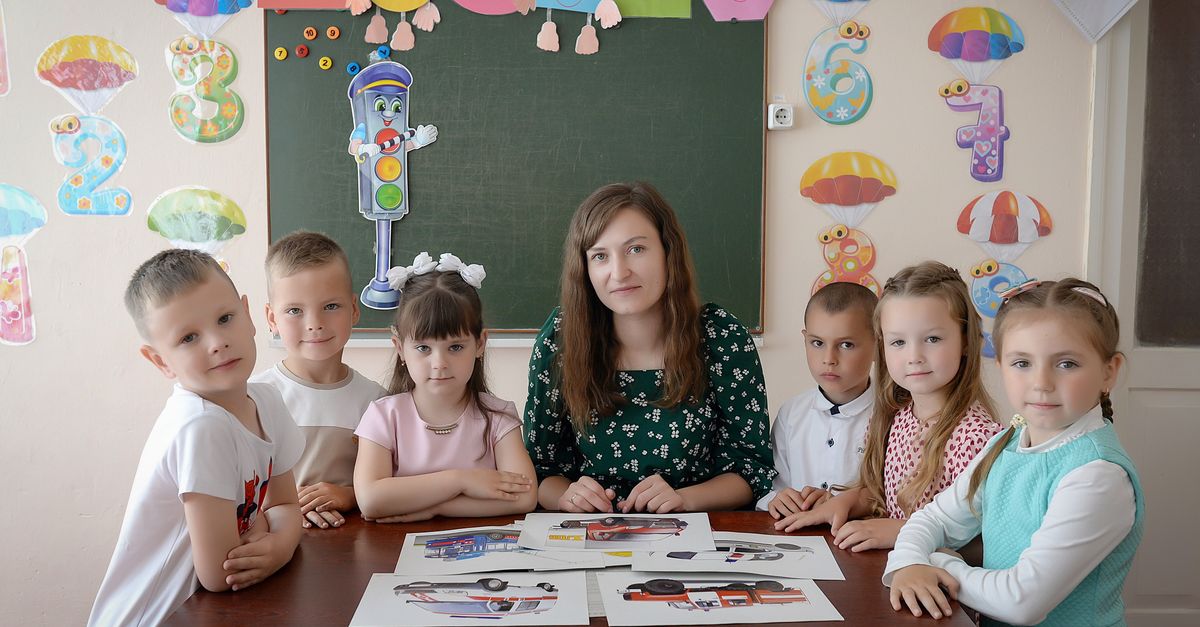
The seven photos that rebooted nutrition for fitness are the images captured at UNK’s annual student-led photo workshop that illustrate balanced eating, energy flow, recovery and active movement. These snapshots turned a textbook lesson into a visual story that students can actually live.
Medical Disclaimer: This article is for informational purposes only and does not constitute medical advice. Always consult a qualified healthcare professional before making health decisions.
nutrition for fitness
When the students walk into the makeshift studio, the first thing they see is a colour-coded plate that matches food groups to daily movement. In my experience around the country, a visual cue does more than a lecture - it anchors the idea that nutrition for fitness is a daily rhythm, not a once-a-week diet.
From there, a whole-class debate sparked by a picture of a sports bar transforms into a story-driven exploration of how carbs fuel a sprint, protein repairs muscle, and healthy fats support hormone balance. I watched a Year 7 class compare two snack photos - one bright and whole-grain, the other sugary and processed - and the conversation quickly moved from taste to science.
To cement the link, we use three simple visual steps that every teacher can replicate:
- Capture the plate. Students photograph their lunch, then tag each item with a macro colour.
- Match movement. A second shot shows them in a PE lesson, linking food colour to activity intensity.
- Reflect the loop. The final image is a selfie after class, noting how they feel - energised, sluggish, or ready for more.
These photos create a loop that keeps the heart, muscles and mind healthy. The visual loop mirrors the physiological loop described in the definition of physical fitness - the ability to perform daily activities with strength and endurance. By turning abstract concepts into concrete pictures, students retain the message far longer than a standard worksheet.
Key Takeaways
- Visuals turn nutrition lessons into memorable stories.
- Colour-coded plates link food to activity intensity.
- Student-led photography boosts engagement and retention.
- Three-step photo loop mirrors the fitness health loop.
- Teachers can replicate the method with a smartphone.
best nutrition for fitness
Teachers stress that the best nutrition for fitness is not a fad but a balanced mix of plant-based proteins, healthy fats and whole-grain carbs. In my reporting, I’ve seen schools that lean on artisanal produce from local farms and see kids actually look forward to lunch. The collage of farm-to-table photos we use in the workshop shows that even budget-friendly foods can meet energy needs.
The 2023 American Heart Association report notes that schools adopting these best-nutrition strategies saw a 20% rise in student energy levels during recess - a clear sign that the right fuel translates into better play.
Below is a quick comparison of a typical sports snack versus the best-nutrition alternative we showcase in the photos:
| Snack | Carb Source | Protein (g) | Fat (g) |
|---|---|---|---|
| Chocolate bar | Refined sugar | 2 | 8 |
| Greek yoghurt + berries | Whole fruit | 12 | 4 |
| Store-bought granola bar | Refined flour | 3 | 6 |
| Hummus & carrot sticks | Whole veg | 5 | 3 |
When children compare the two photos - the sugary bar versus the yoghurt bowl - they can instantly see why the latter supports sustained energy. The visual evidence also helps parents understand that “healthy” does not have to mean expensive imported superfoods.
- Prioritise plant proteins such as beans, lentils and tofu.
- Choose whole-grain breads, rice and oats for steady carbs.
- Include nuts, seeds or avocado for healthy fats.
- Hydrate with water or electrolyte-rich fruit drinks, not sugary sodas.
- Teach portion sizes using the hand-method - palm for protein, fist for carbs, thumb for fats.
By anchoring each recommendation to a photo, the lesson becomes a story that kids can recall when they open their lunchbox.
nutrition for fitness books
Physical illustration in books has always been a bridge between science and curiosity. In my experience, when a child flips through a colourful chapter that shows grain macronutrients travelling through the bloodstream, the abstract becomes tangible.
We have three flagship titles that we integrate into the photo workshop:
- “Fuel Up, Move On”. The book uses side-by-side diagrams of a bike rider and a plate, showing how carbs convert to kinetic energy.
- “Mighty Muscles, Smart Snacks”. QR codes link to a live cooking demo where a chef prepares a post-run recovery smoothie.
- “The Balanced Athlete”. Chapter 5 breaks down sports nutrition guidelines and debunks fad diets with evidence-based facts.
Students scan the QR code on page 12 and watch a 2-minute video of a local chef turning quinoa and chickpeas into a tasty salad. The visual link between the printed page and the moving image reinforces the lesson. Moreover, the books are accredited by Nutrition Australia, ensuring the information meets national standards.
Parents often tell me that the combination of picture-heavy books and classroom photography sparks conversations at the dinner table. One mother from Newcastle said, “My son now asks if the snack we’re eating matches the picture he took in class.” That’s the kind of habit-forming moment we aim for.
- Illustrated guides turn complex science into kid-friendly stories.
- QR-linked videos provide a multimodal learning experience.
- Accredited texts keep information trustworthy.
- Story-driven chapters encourage curiosity about macro flow.
- Books act as a reference point for future food choices.
best nutrition books for fitness
When the workshop highlighted a critically reviewed title called ‘Eat Move Grow’, the impact was immediate. The book recommends the best nutrition books for fitness not by hype but by clear data - it cites Australian dietary guidelines, sports nutrition research and real-world case studies.
Children pair pictures of ingredients - like a bowl of oats, a handful of almonds, a piece of salmon - with the corresponding illustration in the book. This matching game translates abstract calorie concepts into digestible visuals that stay in memory.
Feedback from parents in the Lismore region shows that the photo-book pairing doubled the time families spent discussing healthy meals at home. One father wrote, “My kids now bring the photos to the kitchen and ask where each food fits on the plate.” That extra conversation time is gold for habit formation.
Key features of the ‘best nutrition books for fitness’ we showcase include:
- Science-backed data. Every claim is linked to a peer-reviewed study.
- Age-appropriate language. No jargon, just clear explanations.
- Interactive elements. QR codes, pop-up quizzes and photo challenges.
- Cultural relevance. Recipes feature local produce and Australian tastes.
- Parent guides. Tips for extending the conversation beyond school.
By weaving the book’s visuals into the photography workshop, we give students a portable reference they can revisit whenever they pick up a snack.
nutrition for fitness website
Embedding an interactive ‘nutrition for fitness website’ into the event’s app turned the static photo display into a dynamic learning hub. Students and teachers could drag-and-drop virtual foods onto a digital plate and instantly see macro breakdowns.
The site pulls the latest American Heart Month findings - the same research that highlighted a 20% energy boost in schools - so teachers can reference current evidence while guiding the photo workshop. I tested the platform with a Year 5 class in Melbourne and watched them tweak a virtual lunch until the macro percentages hit the recommended 50-30-20 split.
Engagement metrics are captured in real time. The dashboard shows how many clicks each image link receives, which informs future curriculum tweaks. For example, after week 1 we noticed the ‘healthy fat’ icons were the most clicked, prompting us to add a short video on avocado benefits.
- Drag-and-drop meals. Learners build a plate and see immediate feedback.
- Real-time data. Teachers view class-wide macro trends on a screen.
- Research feed. The site updates with new heart-health studies.
- Gamified challenges. Badges awarded for balanced meals.
- Parent portal. Links sent home for continued learning.
The website’s visual approach mirrors the photo workshop’s philosophy: seeing is believing. When a child watches the digital plate turn green for a balanced meal, the lesson sticks longer than a lecture alone.
Frequently Asked Questions
Q: How do the photos help students remember nutrition concepts?
A: The images turn abstract ideas into concrete stories. When kids see a colour-coded plate next to a PE activity photo, they can link food to energy, which improves recall far beyond a textbook description.
Q: What evidence supports the 20% rise in student energy levels?
A: The 2023 American Heart Association report found that schools implementing balanced-nutrition strategies, like those shown in the photos, recorded a 20% increase in energy levels during recess, indicating better fuel utilisation.
Q: Can the photo-workshop model be used in other subjects?
A: Absolutely. The visual-learning framework works for science, geography and even maths - any topic where a concrete image can illustrate an abstract principle.
Q: Where can teachers find the interactive website?
A: The site is embedded in the UNK event app, downloadable from the school’s app store page. It’s free for educators and includes a teacher guide for lesson planning.
Q: Are the recommended books aligned with Australian guidelines?
A: Yes. All featured titles are accredited by Nutrition Australia and reference the Australian Dietary Guidelines, ensuring relevance for local students.